
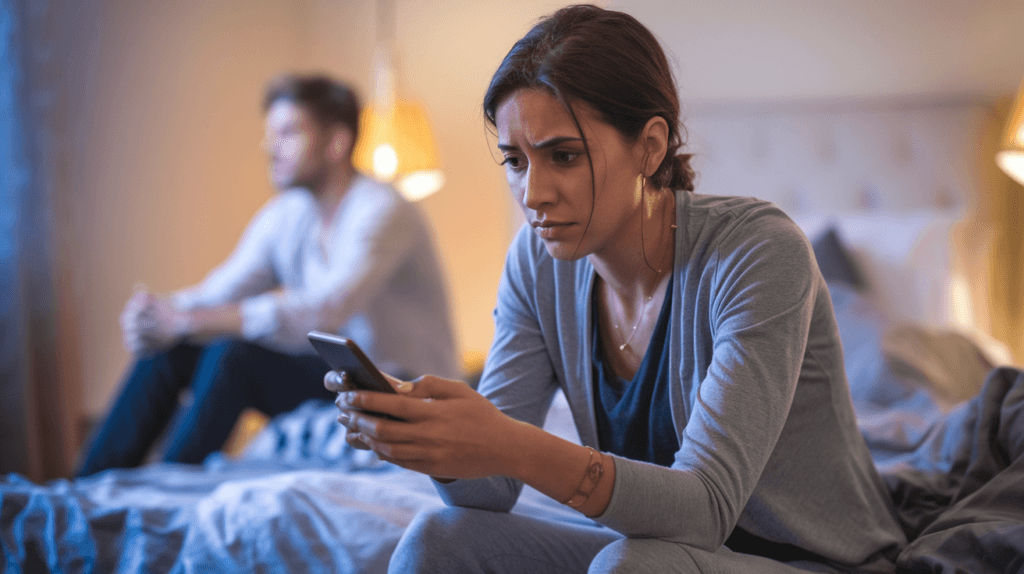
Domestic violence is a pervasive issue affecting millions across the United States, including right here in Georgia. At Hobson & Hobson, P.C., we understand the profound impact domestic violence can have on individuals and families. Our commitment is to provide clear, actionable guidance and legal support to those seeking safety and a path forward. Below, we outline how to protect yourself from domestic violence, drawing on the latest data, Georgia-specific laws, and professional insights.
Understanding Domestic Violence: Key Facts and Statistics
Domestic violence is not limited by gender, age, or socioeconomic status. Each year, nearly 10 million women and men in the U.S. experience domestic violence. In fact, every minute, about 20 people are physically abused by an intimate partner. Intimate partner violence accounts for 15% of all violent crime in the United States, and almost half of all women and men have experienced psychological aggression by an intimate partner.
In Georgia, the need for intervention remains urgent. The Georgia Commission on Family Violence regularly reports on family violence trends, emphasizing the importance of targeted support and legal protections for victims. Notably, between 2016 and 2022, 5.4% of pregnant women in the U.S. experienced violence by an intimate partner, and about 40% of homicides among pregnant people are related to intimate partner violence.
Georgia Laws and Legal Protections
Georgia law provides robust legal tools to help victims of domestic violence:
- Temporary Protective Orders (TPOs): Victims can seek TPOs, which require the abuser to stay away, cease contact, and vacate shared residences. These orders are enforceable by law and can be a critical first step in ensuring immediate safety.
- Criminal Penalties: Domestic violence offenses can result in arrest, criminal charges, and enhanced penalties for repeat offenders.
- Victim Compensation: Georgia offers crime victim compensation programs to help cover medical, counseling, and relocation expenses for survivors.
For more on Georgia’s legal protections, visit the Georgia Commission on Family Violence.
Safety Planning: Practical Steps for Immediate Protection
Creating a personalized safety plan is essential. Here’s how to protect yourself from domestic violence with a proactive approach:
- Identify Safe Spaces: Know where you can go in an emergency — whether it’s a trusted friend’s home, a shelter, or a public place.
- Emergency Contacts: Keep a list of emergency contacts, including local law enforcement, hotlines, and supportive friends or family.
- Pack Essentials: Prepare a bag with identification, important documents, medications, and necessities. Store it in a safe, accessible location.
- Technology Safety: Abusers may use spyware or track devices. Regularly change passwords, use secure communication channels, and consider using a new phone if you suspect monitoring.
- Know Your Resources: Familiarize yourself with local shelters, hotlines, and organizations such as the Georgia Coalition Against Domestic Violence (GCADV).
Support Services and Resources in Georgia
Survivors of domestic violence are not alone. Georgia offers a network of support services:
- Hotlines and Shelters: Organizations like GCADV provide 24/7 hotlines, emergency shelter, counseling, and legal advocacy.
- Certified Domestic Violence Programs: These programs offer crisis intervention, safety planning, and assistance navigating the legal system.
- Financial Assistance: Victims may be eligible for compensation to cover costs related to abuse, including medical care and relocation.
For a comprehensive list of resources, see the National Domestic Violence Hotline and the Georgia Crime Victims Compensation Program.
Expert Advice: Steps to Take If You Are in Danger
- Seek Immediate Help: If you are in immediate danger, call 911 or a local domestic violence hotline.
- Document Abuse: Keep detailed records of incidents, injuries, and communications with the abuser. This documentation can be invaluable in legal proceedings.
- Confide in Trusted Individuals: Share your situation with friends, family, or professionals who can offer support and help with safety planning.
- Utilize Technology Safely: Use secure devices, avoid sharing your location on social media, and consider using encrypted communication apps.
The Role of Family Law Attorneys in Domestic Violence Cases
At Hobson & Hobson, P.C., we leverage over 30 years of combined experience in divorce and custody cases to provide strategic, compassionate support for clients facing domestic violence. Here’s how we help:
- Legal Guidance: We help clients understand their rights, file for protective orders, and navigate divorce or custody proceedings with confidence.
- Court Representation: Our attorneys advocate for clients in court, ensuring their safety and interests are prioritized.
- Resource Connection: We work closely with local shelters and advocacy groups to connect clients with additional support services.
- Innovative Solutions: By leveraging advanced technology, we streamline the legal process, ensuring efficient and effective outcomes for our clients.
Learn more about our approach at Hobson & Hobson, P.C..
Recent Developments and Government Guidelines
Georgia continues to enhance its response to domestic violence through legislative updates, increased funding for shelters, and public awareness campaigns. The Georgia Commission on Family Violence and GCADV provide up-to-date resources, safety planning tools, and legal information for victims and professionals.
For government guidelines and the latest news, visit the Georgia Commission on Family Violence and CDC’s Intimate Partner Violence Resources.
Unique Insights: The Hidden Risks
- Pregnancy and Domestic Violence: Pregnant women are at heightened risk, with intimate partner violence contributing to a significant percentage of homicides among pregnant individuals.
- Firearm Risk: More women in the U.S. were killed by an intimate partner using a gun between 2001 and 2012 than U.S. troops killed in Iraq and Afghanistan combined.
Summary Table: Key Georgia Resources
| Resource/Service | Description |
|---|---|
| GCADV | Statewide coalition, support, and advocacy |
| Georgia Commission on Family Violence | Data, reports, and policy guidance |
| Certified Domestic Violence Programs | Shelter, counseling, legal advocacy |
| Crime Victim’s Compensation | Financial assistance for victims |
Frequently Asked Questions
What is a Temporary Protective Order (TPO) and how do I get one in Georgia?
A TPO is a court order that requires an abuser to stay away, cease contact, and vacate shared residences. You can file for a TPO at your local courthouse, and our attorneys can guide you through this process to ensure your safety.
Can I get financial help if I leave an abusive relationship?
Yes. Georgia’s Crime Victims Compensation Program can help cover medical, counseling, and relocation expenses for survivors of domestic violence.
How can I keep my technology safe from an abuser?
Change passwords regularly, use secure communication channels, avoid sharing your location, and consider using a new phone if you suspect your device is being monitored.
What should I do if I am in immediate danger?
Call 911 or a local domestic violence hotline immediately. Your safety is the top priority.
How can Hobson & Hobson, P.C. help me?
We provide legal guidance, help secure protective orders, represent you in court, and connect you with local resources. Our innovative approach ensures efficient, client-focused solutions during challenging times.
If you or someone you know is experiencing domestic violence, know that help is available. At Hobson & Hobson, P.C., we are committed to protecting your rights, your safety, and your future. Contact us for a confidential consultation and let us help you make the best legal decisions during this difficult time.
For more information, visit thehobsonlawfirm.com.
External Resources:
- Georgia Coalition Against Domestic Violence
- Georgia Commission on Family Violence
- National Domestic Violence Hotline
- CDC: Intimate Partner Violence

Attorney Sarah Hobson at Hobson and Hobson, P.C. are powerful advocates for those who fight for better futures for those going through divorce and custody law matters.